Tree inspections in Whitechapel
If you own, manage, or care for trees in Whitechapel, regular inspections are one of the most practical ways to protect people, property, and the health of the tree itself. In a busy part of East London where homes, shops, offices, schools, communal gardens, and mixed-use buildings sit close together, even a seemingly healthy tree can develop issues that are not obvious from the ground. A professional inspection helps identify concerns early, before they become more expensive, disruptive, or unsafe.
Tree inspections in Whitechapel are especially valuable because the local environment can be demanding. Trees may be affected by compacted soil, limited root space, heavy foot traffic, nearby construction, pollution, wind exposure, or previous pruning that has left weak growth. Whether you are responsible for a single courtyard tree, a street-facing mature specimen, or a small portfolio of trees across a block of flats or commercial site, an inspection gives you clear, practical information about condition, risk, and next steps.
Residents and property managers often arrange tree inspections when they notice deadwood, leaning stems, overextended branches, fungal growth, bark damage, or roots lifting pavements. Others book routine inspections as part of their maintenance plan, particularly where trees are near entrances, roads, parked vehicles, play areas, or neighbouring properties. If you need reassurance, support for planned works, or evidence for a wider tree care strategy, a local inspection service is a sensible first step.
Why tree inspections matter in Whitechapel
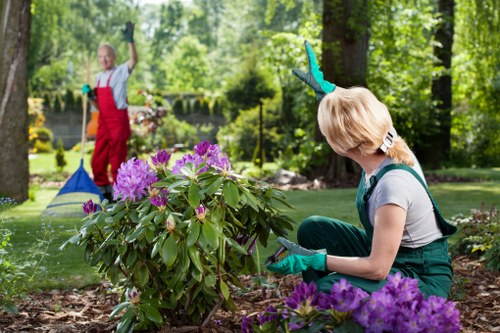
Whitechapel has a varied urban landscape, from traditional terraced streets and converted buildings to newer apartment developments, retail units, healthcare premises, and educational sites. That mix creates a range of pressures for trees. Space can be tight, access can be awkward, and roots often compete with hard surfaces, utilities, and foundations. A tree that appears stable may still have hidden defects, especially if its growing conditions have changed over time.
Tree inspections are not just about spotting obvious damage. They are about understanding the tree as a living structure and assessing how it is responding to its surroundings. A qualified inspection can highlight decay, weak unions, dieback, pest activity, storm damage, root disturbance, or structural imbalance. It can also identify trees that are perfectly sound and simply need monitoring rather than immediate work.
For local customers, the real value is peace of mind and informed decision-making. Instead of guessing whether a branch is dangerous or whether a tree needs removal, you get clear advice based on what is actually happening in the tree. That makes it easier to plan maintenance, manage risk, and avoid unnecessary intervention.
What our tree inspection service includes

Every site is different, so inspections should be tailored to the tree, the setting, and the concerns of the property owner or manager. In most cases, the process begins with a visual assessment from ground level. The inspector looks at the trunk, crown, major branches, root area, surrounding soil, and nearby features that may influence risk or stability.
Depending on the situation, an inspection may include a closer look at signs such as cavities, included bark, fungal brackets, cracks, leaning, poor pruning history, lifted paving, or evidence of branch failure. The inspector may also consider species characteristics, age, past management, and how the tree is being affected by wind exposure or development pressure. For many trees, a well-informed visual inspection is enough to provide a reliable recommendation.
Where needed, the findings can support next steps such as pruning, crown reduction, deadwood removal, root investigation, cabling, monitoring, or in some cases tree removal. The aim is always to match the response to the actual condition of the tree. Good inspection work is about clarity, not alarm.
Typical checks may include
- Trunk condition and structural integrity
- Crown shape, balance, and density
- Dead, damaged, or hanging branches
- Visible decay, cavities, or fungal growth
- Root disturbance, heave, or soil movement
- Signs of storm stress or historic damage
- Potential impact on nearby buildings, paths, roads, or vehicles
- Any obvious targets beneath the tree, such as seating areas or entrances
Who needs tree inspections in Whitechapel?

Tree inspections are useful for a wide range of customers in Whitechapel. Homeowners often want a check before carrying out other property improvements, after a windy spell, or when a tree starts encroaching on a garden, roofline, or neighbour’s boundary. Landlords and managing agents may need inspections as part of scheduled maintenance, lease obligations, or general duty of care across shared outdoor spaces.
Commercial properties also benefit from regular inspections. Shops, restaurants, offices, warehouses, schools, care settings, and community buildings often have trees close to footpaths, entrances, car parking areas, loading bays, or outdoor seating. In places like these, even a small issue can matter if it affects access, public safety, or the day-to-day use of the site.
Public-facing and communal locations can be particularly sensitive because people pass through them frequently. If a tree sheds deadwood over a courtyard, leans toward a footpath, or develops structural defects near a building, it may need an informed assessment sooner rather than later. Local tree inspections in Whitechapel help owners and managers respond appropriately without overreacting or delaying necessary work.
Common reasons people book an inspection
- A tree is leaning or appears to have moved
- There are signs of decay, fungus, or dieback
- Branches are overhanging roofs, gardens, or parking areas
- A recent storm has caused concern
- Roots are affecting paving or boundary walls
- Plans are underway for building works or landscaping
- A management plan needs an updated condition check
Local knowledge matters for tree inspections
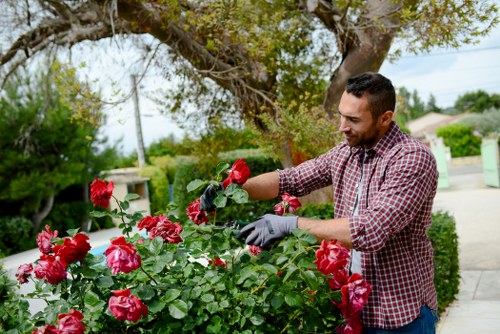
One of the biggest advantages of using a local service is understanding how Whitechapel’s built environment affects trees. Access can be tight in residential streets, and parking restrictions can make visits more complicated than in suburban areas. Shared access routes, service yards, rear courtyards, and gated developments can also require careful coordination. A local team is more likely to be used to working around these conditions efficiently and respectfully.
Local knowledge also helps when trees sit in unusual or stressful planting conditions. Trees planted in small pits, surrounded by hard landscaping, or close to foundations and underground services may show stress differently from trees in open ground. In dense urban settings, issues can progress quietly until a branch fails or a trunk defect becomes more advanced. A trained inspector who understands city trees can notice these patterns and interpret them accurately.
Whitechapel is also close to a number of other busy East London areas, so properties may experience similar pressures across nearby neighbourhoods. If your trees are in or around Stepney, Aldgate, Spitalfields, Wapping, Bethnal Green, Shoreditch, or Limehouse, a consistent inspection approach can be useful for keeping standards the same across different sites. That matters for landlords, estate managers, and businesses with multiple properties.
Why local experience helps
Local experience means fewer delays, more practical scheduling, and advice that fits the realities of East London sites. It also means the inspection takes into account access issues, limited storage space for arisings, busy pedestrian routes, and the need to minimise disruption to residents or customers.
How the inspection process works

A tree inspection usually starts with a discussion of your concern. You may have noticed a specific issue, or you may simply want a routine check. The inspector will then assess the tree in context, looking at the tree itself, the ground around it, and any targets that could be affected if a branch or stem were to fail. This could include homes, shopfronts, neighbouring gardens, footpaths, vehicles, or communal seating areas.
After the visual assessment, you should receive clear feedback about the condition of the tree and any recommended action. This might be straightforward monitoring, light maintenance, more detailed investigation, or urgent attention if a serious defect is identified. In many cases, the best outcome is a balanced recommendation that avoids unnecessary removal while still addressing risk appropriately.
For customer convenience, the process is usually designed to be straightforward and low disruption. The inspection itself is often completed quickly, but the time required depends on the size of the tree, the complexity of the site, and how many trees need to be checked. If multiple trees are involved, a scheduled visit can help prioritise the most important specimens first and ensure nothing is overlooked.
What you can expect from a professional visit
- An initial review of your concerns and site conditions
- A structured visual assessment of tree health and stability
- Consideration of risk, targets, and surrounding access
- Clear recommendations based on the findings
- Advice on whether follow-up works or monitoring are needed
Signs a tree may need immediate attention
Not every tree issue is an emergency, but some signs should prompt a prompt inspection. If you notice sudden leaning, fresh cracks, large dead limbs, a split trunk, or soil movement around the base, it is sensible to have the tree checked as soon as possible. The same applies if a branch has already failed or if a tree has been affected by strong winds, construction activity, or impact damage.
Fungal growth at the base or on the trunk does not always mean the tree is unsafe, but it can be a warning sign that deserves attention. Likewise, repeated branch dieback, extensive leaf loss out of season, or unusual bark peeling can indicate stress or decline. A professional inspection helps distinguish normal seasonal behaviour from a genuine structural or health concern.
Where a tree is close to a building or public access route, early assessment becomes even more important. In a place like Whitechapel, where many properties have shared walkways, rear access lanes, or narrow frontages, a defect can affect more than just one property. Getting the tree looked at promptly is the practical, responsible choice.
Watch for these signs
- Cracks in the trunk or main branches
- Sudden or increasing lean
- Hollow sounds or visible cavities
- Fungal brackets near the roots or stem
- Heaved soil or exposed roots
- Large amounts of deadwood in the crown
- After-storm movement or fallen limbs
Preparing for your tree inspection
A little preparation can make the visit smoother, especially on busy or access-restricted sites. If you are arranging tree inspections in Whitechapel for a home, block, or business premises, it helps to make sure the tree base is accessible and that any gates or shared entrances can be opened on the day. If parking is difficult, local coordination may be useful so the inspector can reach the site without delay.
You may also want to gather any relevant information before the visit. This could include past tree work, previous inspection notes, concerns raised by neighbours or building managers, or recent changes to the site such as scaffolding, repairs, or landscaping. Even small details can help the inspector understand what the tree has experienced over time.
For tenants or occupants who do not manage the property directly, it can be helpful to speak with the landlord, freeholder, or managing agent beforehand so everyone is clear on why the inspection is happening and what access may be needed. That reduces confusion and helps the appointment run efficiently.
Simple preparation checklist
- Make sure the tree and surrounding area are accessible
- Unlock gates or arrange entry where required
- Move vehicles if they block the inspection area
- Share any recent concerns or observations
- Keep notes on past pruning or storm damage if available
- Tell nearby occupants if access through shared space is needed
Pricing factors for tree inspections
Customers often want to know what affects the cost of a tree inspection, and that is a sensible question. While exact prices vary, several factors usually influence the time and complexity of the visit. The number of trees, their height and spread, the ease of access, the need for multiple visits, and the level of detail required all play a part. A single small courtyard tree will usually be simpler to assess than several mature trees across a large or busy site.
Site conditions matter too. In Whitechapel, access constraints, parking limitations, traffic flow, and shared courtyards can all affect how the work is arranged. A tree inspection carried out on a roof terrace, in a basement lightwell, or within a managed estate may require more coordination than one in an open front garden. If more advanced investigation is needed, that can also influence the overall scope.
Instead of guessing from a distance, the best approach is to request a quote based on your property and the trees involved. That allows the service to be matched to your needs. For many customers, an inspection is a cost-effective way to avoid unnecessary work and to focus spending on the trees that actually need it.
Factors that may affect the quotation
- Number of trees to be inspected
- Tree size, species, and condition
- Site access and parking arrangements
- Need for urgent or out-of-hours attendance
- Whether written findings are required
- Complexity of the surrounding environment
Why choose a local Whitechapel tree inspection service?
A local team can be more responsive, more practical, and better prepared for the realities of working in East London. That matters when a property has limited space, shared access, or a busy schedule of occupants and visitors. It also matters when advice needs to be realistic for a local setting rather than generic. A tree inspection should tell you what is happening now, what to watch for next, and what action is sensible for your site.
Choosing a nearby service can also help with repeat monitoring. If a tree does not need immediate work, regular follow-up checks may be the best way to manage it. A local inspector is well placed to return when needed, review changes, and help you keep a consistent record across homes or business premises. That is especially useful for estate managers, landlords, facilities teams, and commercial landlords who need dependable tree care over time.
Most importantly, local tree inspections in Whitechapel should feel straightforward. You should get clear communication, practical recommendations, and an approach that respects the property, the people using it, and the tree itself. If you want informed advice before deciding on pruning, maintenance, or further action, booking an inspection is the right place to start. Contact us today to request a free quote or book your service now.
Areas covered near Whitechapel
Tree inspections are often needed across a wider East London patch, especially where customers manage more than one property or where trees are part of a shared estate. A local service can usually support nearby neighbourhoods as well as Whitechapel itself, subject to access and scheduling.
Typical nearby areas include:
- Stepney
- Spitalfields
- Aldgate
- Bethnal Green
- Wapping
- Limehouse
- Shoreditch
- Commercial Street and surrounding streets
If you are responsible for trees across several locations, it can be helpful to arrange inspections in a coordinated way so you can compare findings and plan maintenance consistently. That approach works well for estates, landlords, housing providers, businesses, and community organisations.
FAQs about tree inspections in Whitechapel
How often should trees be inspected?
The right frequency depends on the tree’s condition, location, and surrounding targets. Trees near buildings, footpaths, roads, or busy communal areas may need more regular checks than trees in lower-risk settings. If a tree has known defects or is being monitored after previous works, follow-up inspections are often sensible.
Do I need an inspection after storm damage?
Yes, if a tree has been affected by strong winds, heavy rain, or falling branches, an inspection is a good idea. Even if there is no obvious failure, storms can expose structural weaknesses or create hidden problems that only become apparent later.
Will every tree need work after an inspection?
No. In many cases, the outcome is simply reassurance and a recommendation to monitor the tree. If work is needed, it may be limited to selective pruning, deadwood removal, or another targeted measure. The inspection should help avoid unnecessary intervention.
Can you inspect trees in tight or awkward spaces?
Yes, that is common in Whitechapel. Many local trees are found in courtyards, rear gardens, shared driveways, narrow access routes, or planted areas close to buildings. A sensible inspection approach takes the site layout into account and works around local access challenges.
What if I manage a commercial site?
Commercial and public-facing properties often need inspections because of higher footfall and more regular use of surrounding spaces. An inspection can help you manage risk around entrances, seating areas, car parks, and service access points while keeping the site usable.
Book tree inspections in Whitechapel
If you need a professional view on the condition of one tree or a whole group of trees, a local inspection service gives you the information you need to move forward with confidence. Whether you are a homeowner, landlord, managing agent, business owner, or site manager, the priority is the same: keep people safe, protect your property, and care for the trees responsibly.
From routine checks to urgent concerns, tree inspections in Whitechapel can help you understand what is happening above ground and below. You do not need to wait until a branch breaks or a problem becomes obvious. A timely inspection can save time, reduce disruption, and help you plan the right next step.
For practical advice, clear recommendations, and a service suited to local conditions, request a free quote or book your service now. If you are unsure whether a tree needs attention, contact us today and arrange an inspection at a time that works for your property.