Crown lifting in Whitechapel
If you are looking for crown lifting in Whitechapel, you are probably trying to solve a very practical problem: a tree has grown lower than you would like, branches are blocking light, affecting access, or making a property feel cramped. In an area like Whitechapel, where homes, offices, shopfronts, courtyards, shared gardens, and narrow access routes sit close together, the right tree work can make a noticeable difference to how a space looks and functions.
Crown lifting is one of the most useful tree maintenance services for local property owners because it improves clearance without removing the tree altogether. It can help create safer walking routes, improve visibility, reduce obstruction around vehicles and entrances, and bring more natural light into nearby rooms and outdoor spaces. For many Whitechapel customers, that balance matters: you want the tree to remain healthy and attractive, while also making the space work better for everyday use.
Whether you manage a residential garden, a communal courtyard, a commercial frontage, or a private rental property, a local tree care team can assess the tree carefully and recommend a sensible lifting height based on its species, condition, and surroundings. The goal is not to cut indiscriminately, but to carry out precise pruning that suits the tree and the site.
What crown lifting means and why it is requested locally

Crown lifting is the selective removal of the lower branches of a tree’s canopy so that the crown begins higher up the trunk. The tree keeps its overall shape and upper structure, but the lower section becomes more open. This is different from heavy reduction or topping. Done properly, it is a controlled pruning method that improves clearance while supporting the tree’s long-term appearance and health.
In Whitechapel, crown raising is often requested for a mix of practical reasons. Some trees overhang narrow paths or pavements, some are close to basement stairwells or building entrances, and others have grown in shared spaces where residents need more usable light and room. On busy streets and in tightly arranged properties, even a few lower branches can make access awkward or cause a space to feel darker than it needs to be.
Customers also ask for crown lifting when branches interfere with sightlines, street furniture, shutters, windows, or garden features. It can be a smart way to keep a mature tree in place while making the property easier to use. A well-planned lift can also help reduce the feeling of enclosure in small urban gardens, which is particularly helpful where neighbouring buildings are close and light levels are already limited.
Why Whitechapel properties often benefit from crown lifting

Whitechapel has a wide mix of property types, and that variety creates different tree care needs. Traditional terraces, converted flats, newer developments, commercial premises, schools, places of worship, and communal courtyards all face different issues when trees mature and lower branches start to spread. A one-size-fits-all approach rarely works well here.
Local conditions can make crown lifting especially useful. In some locations, pavements are busy and space is limited. In others, private gardens are small and surrounded by high walls or neighbouring buildings. Light is valuable, access is often tight, and trees may need to be maintained so they do not interfere with daily routines. Crown lifting can address all of that without losing the benefits that a healthy tree provides.
For residential customers, the service often improves views from windows, opens up doorways and paths, and helps make gardens feel less enclosed. For commercial customers, it can improve the look and usability of shopfronts, forecourts, loading areas, and customer walkways. In both cases, it is about making the tree fit the setting more comfortably.
When crown lifting is the right choice
Signs your tree may need lower branches removed

Not every tree needs the same kind of pruning. Crown lifting is usually recommended when the lower canopy is causing a specific issue that can be solved by increasing the height of clearance. The most common signs include branches brushing against people or vehicles, branches obscuring signage or entrances, and low growth reducing light under the tree.
You may also notice that rainwater, leaf drop, or shade is making the area below the tree harder to use. In a small back garden, low branches can make outdoor seating feel cramped. In shared spaces, they may make maintenance awkward for cleaners, gardeners, or building managers. For commercial sites, the issue may be practical access for customers, staff, or deliveries.
It is often the right option when you want a cleaner, more open feel without changing the tree’s character. If the tree has healthy upper growth and the lower limbs are the main concern, crown lifting can be a targeted and effective solution. A competent tree professional will always check whether the work is appropriate for the species, size, and condition of the tree before recommending it.
How crown lifting is carried out
A careful process designed for the tree and the site
Good crown lifting in Whitechapel starts with a site assessment. The tree is inspected from ground level and, where needed, from a closer vantage point to understand its structure. The arborist looks at branch size, stem condition, canopy density, any signs of stress or decay, and the surrounding environment. This matters because the amount of growth that can be removed depends on the tree’s health and how it has been managed in the past.
Once the plan is agreed, the lower branches are removed in a controlled way, usually using clean pruning cuts that respect the tree’s natural shape. The exact lifting height will depend on what the tree needs to clear and what the space is used for. On a garden tree, that may mean allowing room for people to move underneath and improving light. On a roadside or commercial site, it may mean creating safer clearance for pedestrians, vehicles, or maintenance access.
Proper technique matters. Poor pruning can leave the tree looking unbalanced or stressed, so the work should be carried out by someone who understands tree biology and local site conditions. In dense urban settings, it is also important to manage debris carefully, protect nearby surfaces, and plan the work around access limitations.
What a professional team typically checks before starting
- The tree species and how it responds to pruning
- Current health, deadwood, and any structural concerns
- Nearby buildings, fences, cables, walls, and vehicles
- Access routes, entry points, and where equipment can be safely used
- Whether the requested lift is suitable for the tree’s size and condition
What is included in a crown lifting service
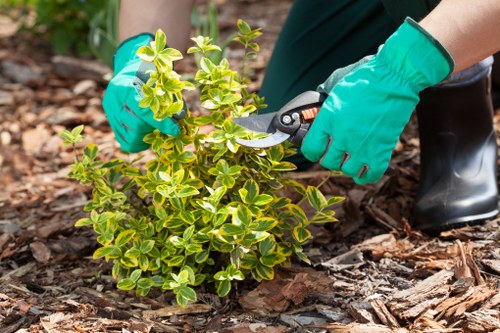
When customers enquire about crown lifting in Whitechapel, they often want to know what the service actually includes. A proper tree work visit usually begins with an assessment and clear discussion of the desired outcome. The aim is to make sure the work solves the real issue, rather than removing more growth than necessary.
Typical service elements may include:
- Inspection of the tree and surrounding area
- Advice on the most suitable lifting height
- Selective removal of lower branches
- Basic shaping to maintain a balanced appearance
- Clearing and removal of cut branches and debris
- Careful working around paths, driveways, lawns, and planted areas
Depending on the site, additional care may be needed for shared access, hard landscaping, delicate planting, or restricted working hours. Many Whitechapel properties sit close to neighbours, so polite scheduling and tidy working practices are especially important. A local team used to urban tree work will understand how to keep disruption down while still completing the work safely and properly.
Benefits of crown lifting for homes and businesses
Why local customers choose this service

There are several reasons customers request this type of tree maintenance, and the benefits can be both practical and visual. In residential settings, lifting the crown can make a garden feel lighter, tidier, and easier to use. It can also improve the way sunlight reaches lawns, patios, sheds, and windows, which is often a big advantage in tightly packed urban streets.
For commercial properties, the benefits may be even more immediate. Improved access for visitors, better visibility of entrances, and a cleaner appearance around frontages can all help a site feel more inviting. A tree with low overgrowth near a business entrance can make a property look neglected, even if everything else is well maintained. Crown raising can help restore a more professional look.
Other common advantages include:
- Improved headroom for people moving beneath the tree
- Better visibility along paths, entrances, and driveways
- More natural light in nearby rooms and garden areas
- A cleaner, more open feel in compact outdoor spaces
- Reduced interference with shutters, signs, and external fixtures
- Better access for maintenance, cleaning, and everyday use
When the work is done well, it should feel like the tree belongs in the space more naturally. That is often what local customers want: practical improvement without losing the value and character that mature trees bring.
How to prepare for your appointment
A simple checklist for Whitechapel customers
Preparation does not need to be complicated, but a little planning helps the visit run smoothly. In Whitechapel, access can sometimes be the biggest consideration, especially on narrow streets, in shared courtyards, or where parking is limited. If the tree is in a front garden, side return, rear yard, or commercial forecourt, it helps to think ahead about how the team will reach the work area.
Useful preparation steps include:
- Clear outdoor furniture, plant pots, bikes, or stored items from the work area if possible.
- Make sure gates, side passages, and access routes can be opened safely.
- Tell the team about any fragile plants, fish ponds, glass structures, or special features nearby.
- Park vehicles away from the tree if space is tight and access will be needed.
- Let neighbours know if the work will be taking place close to shared boundaries.
If the tree is near a business entrance or communal area, it may also help to coordinate timing so customers, residents, or staff are not inconvenienced. A local service provider familiar with the area will understand how to plan around busy times, delivery schedules, and access restrictions.
Pricing factors for crown lifting
What affects the cost of the work
Customers often want to know what influences the price of crown lifting, even if exact figures are only possible after an inspection. The main factors are usually the size and condition of the tree, how much growth needs to be removed, and how easy it is to access the site. In Whitechapel, access can be a major part of the job because of limited parking, busy roads, and properties that sit close together.
Other factors may include the height of the tree, whether specialist equipment is required, whether the tree is growing close to buildings or overhead features, and how much clearance is being requested. A simple lift on a small garden tree may be straightforward, while larger street-facing or multi-stem trees may need more careful planning and a longer working time.
Typical pricing considerations may include:
- Tree size and canopy spread
- Location and access difficulty
- Amount of pruning needed
- Ground conditions and site restrictions
- Waste removal requirements
- Additional care needed around neighbouring property
If you are comparing options, look for a company that explains why the work is being recommended and what is included. A sensible quote should reflect the site conditions and the level of care needed, not just the visible size of the tree.
Why choose a local Whitechapel tree care team
Local knowledge makes a difference
Choosing a local company for crown lifting in Whitechapel can make the whole process easier. A team that works in the area regularly is more likely to understand the practical realities of inner-city tree care: restricted access, shared boundaries, traffic timing, tight frontages, and the need to work neatly in busy surroundings. That local familiarity can save time and reduce disruption.
It also helps when the team can assess how the tree sits within the wider environment. Whitechapel includes a mix of compact gardens, residential blocks, commercial streets, and community spaces. Trees in these settings often need a slightly different approach from those in open suburban plots. A local arborist is better placed to judge whether the priority is clearance, light, appearance, or a careful balance of all three.
Customers often value local support because it means:
- Better understanding of access and parking constraints
- More practical scheduling around busy local streets
- Experience working near neighbours and shared spaces
- Advice that suits the type of property and tree involved
- A service that feels personal, responsive, and site-aware
For many people, the appeal of a local team is simple: you want someone who understands the area and can carry out the work without turning it into a complicated project.
Areas covered around Whitechapel
Nearby locations often needing the same service
Crown lifting is often requested not just in Whitechapel itself, but also in surrounding parts of East London where buildings are close together and outdoor space is at a premium. Nearby areas may include Stepney, Aldgate, Shadwell, Bethnal Green, Wapping, Limehouse, and parts of Tower Hamlets. These locations share many of the same practical issues: limited clearance, mixed property layouts, and a need for neat, careful tree work.
In local streets, mature trees can add real value, but they also need to be managed in a way that suits the changing use of the space around them. A tree overhanging a narrow side path, a communal garden, or a commercial forecourt may benefit from a lift that improves day-to-day usability while keeping the tree attractive.
If you are unsure whether your property is suitable for crown lifting, a site visit or assessment can help determine the best approach. Contact us today to discuss the tree, the access, and the result you want to achieve.
Frequently asked questions
Common customer queries about crown lifting
How high should a crown be lifted?
There is no single answer. The right lifting height depends on the tree species, the use of the space below, and the condition of the tree. A professional will recommend a height that gives useful clearance without over-stressing the tree.
Will crown lifting damage the tree?
When done properly, it should not damage the tree. The work should be selective and proportionate. Problems usually arise when too much is removed, cuts are made badly, or the tree’s natural structure is ignored.
Can crown lifting improve light in a garden?
Yes. Removing lower branches often allows more daylight to reach the ground and nearby windows. It can make a small garden feel more open and usable, especially where surrounding buildings already reduce light levels.
Is this suitable for commercial premises?
Absolutely. Many businesses request crown lifting to improve visibility, keep entrances clear, and create a more welcoming appearance. It can also help with customer and staff movement around the site.
Do I need planning permission?
Sometimes tree work is affected by tree protection measures or local restrictions. It is sensible to check whether the tree is subject to any controls before work begins. A local arborist can advise on the usual considerations.
How often should a tree be lifted?
That depends on the tree’s growth rate and the amount of clearance needed. Some trees require periodic maintenance to keep lower branches from returning to the same level.
What makes a good crown lifting service
Signs you are dealing with the right team
When you are choosing a provider, look for someone who talks about the tree, the site, and the outcome rather than just offering a quick cut. A good service should feel considered and practical. The team should explain what will be removed, why it is being removed, and how the remaining canopy will look and function after the work is complete.
Good signs include:
- Clear explanation of the proposed pruning
- Respect for the tree’s shape and future growth
- Awareness of local access and surrounding properties
- Tidy working practices and careful debris removal
- Willingness to discuss alternatives if crown lifting is not the best option
In a place like Whitechapel, where outdoor areas can be compact and highly visible, attention to detail matters. A professional finish should leave the tree looking balanced, the space easier to use, and the site left neat and ready for everyday life again.
Book crown lifting in Whitechapel
If lower branches are reducing light, blocking access, or making your property feel more crowded than it should, crown lifting in Whitechapel may be the right solution. It is a practical way to improve clearance while keeping the tree healthy, tidy, and suited to its surroundings.
Whether you are a homeowner, landlord, facilities manager, or business owner, a local tree care team can help assess the tree and recommend a sensible approach. From small garden trees to larger front-facing specimens, the work can be adapted to suit the site and the result you want.
Contact us today to arrange an assessment, request a free quote, or book your service now. If you want a more open, usable outdoor space without removing a valued tree, crown lifting could be exactly what you need.